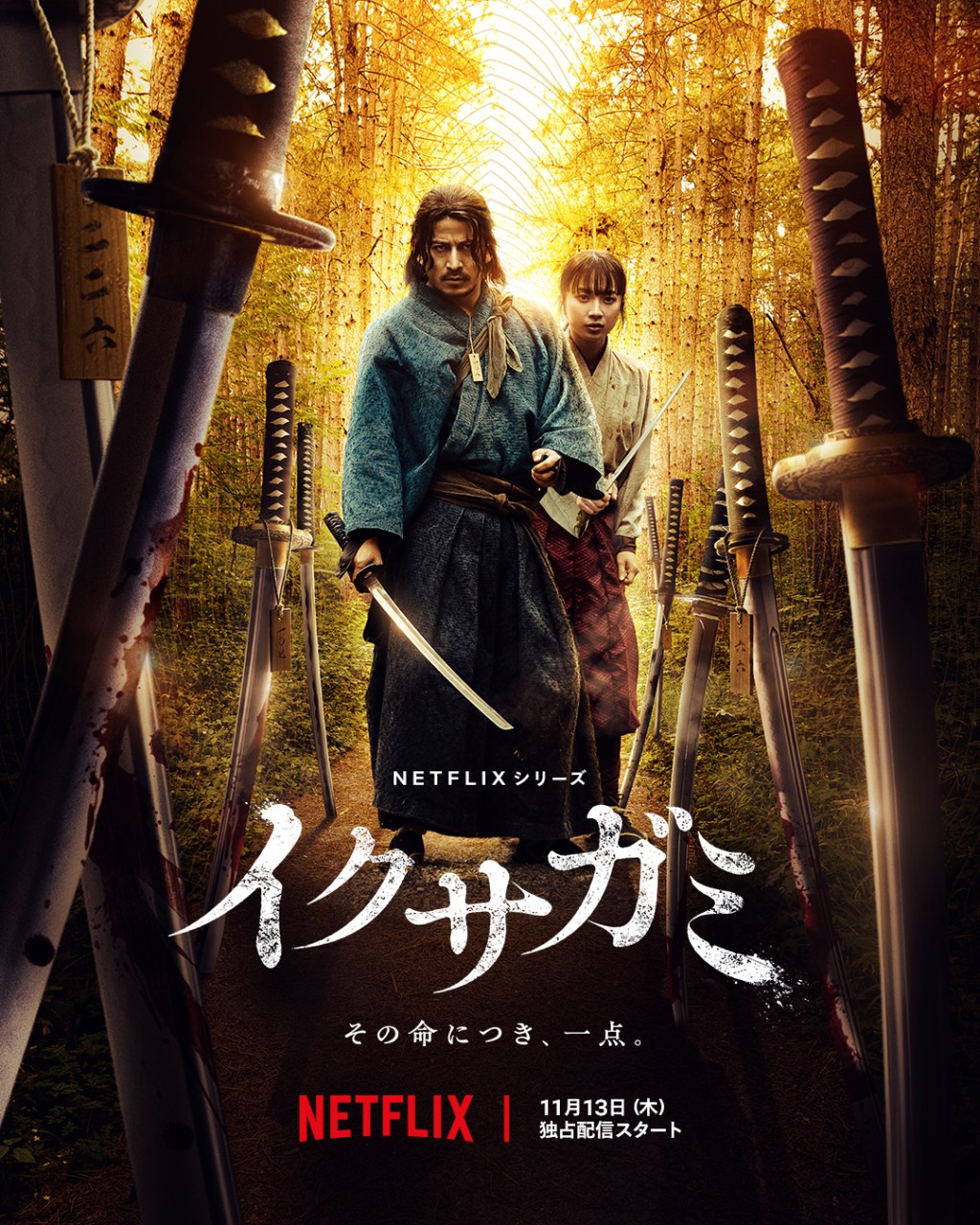
This feels sort of like if an AI engine (or perhaps just a good old fashioned data analyst) scanned the list of most popular shows and decided that a cross of a Shogun inspired setting and a Squid Games inspired storyline would be a surefire winner. And Ikusagami, the novel that the show is based on, fit that bill exactly. I guess it worked too since it reached No. 1 globally for Netflix. I’ve seen some folks mention Battle Royale as an inspiration as well, and while the story is loosely similar, given the more recent success of Squid Games, that was the comparison that more readily sprang to mind.
The series is set in the late 19th century, after the failure of the Satsuma rebellion, when Japan is swept by a cholera epidemic leaving many destitute. Left with no resources and nowhere to turn, our hero Shujiro Saga decides to join a mysterious competition for former samurai in the hopes of winning enough money to afford treatment for his ailing wife. Contestants have a fixed timeline to pass through various checkpoints across Japan. Sounds simple enough right? Unfortunately as with most things that seem too good to be true, there is a catch. And it is a doozy. In order to pass through a checkpoint, a contestant must possess a minimum number of tokens which increases at every stage of the game. To get those tokens, they have to fight each other to the death. Even if they somehow escape with their life, losing their token, quitting the game or failing to pass through the checkpoints in time will result in automatic elimination (aka death) at the hands of the armed guards monitoring the game.
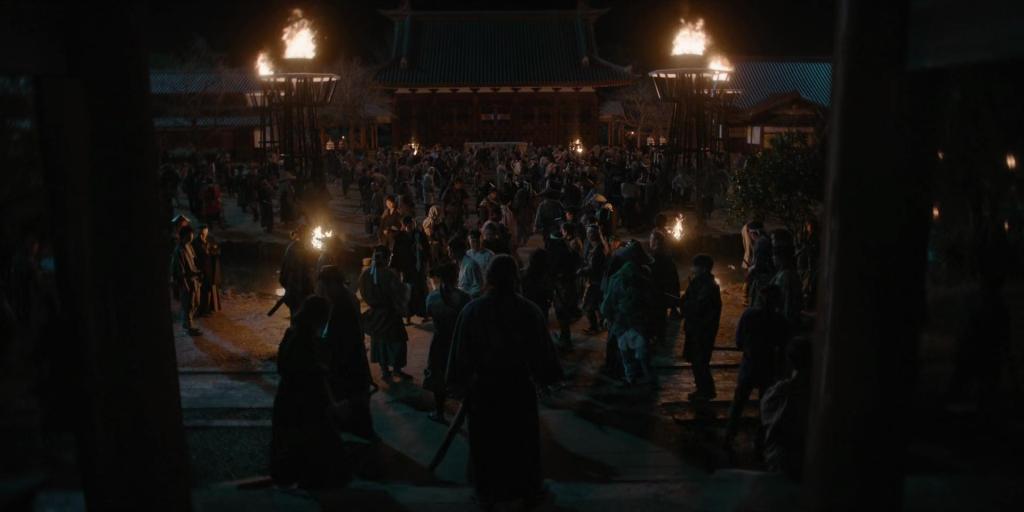
I’m a bit of a sucker for historical fiction type settings so my interest was piqued right from the start. Overall, I enjoyed the series. My yardstick is usually whether I find the show engaging enough to come back episode after episode, particularly when free time is in short supply (which it usually is), and this definitely met that bar. Not to say it was perfect – it definitely drags in the middle (which is saying quite a bit for a season that is only six episodes long), some of the character choices are inexplicable and the show suffers from an overabundance of characters. So what worked and what didn’t? Let’s dive in!
If you’re wondering how such a competition could take place without the authorities noticing, the in-story explanation is that a disenchanted official is masterminding the whole thing using funds from corrupt businessmen who view the whole thing as another game to bet on (human cost be damned).
What works:
- The historical setting: The Satsuma rebellion was a failed revolt by disaffected samurai against the new imperial government in 1877, which effectively ended the samurai class. Another consequence of the costly war was the near bankruptcy of the government leading to the sale of state-owned enterprises and the rise of large private industrialists. I thought it was really clever setting the story in this time period since it provides a very logical basis for the motivations driving most of the characters. The samurai survivors are struggling to adapt in a world that no longer cares about the code that they have lived their whole lives by. Left essentially rudderless (with the added financial, physical and emotional impact of a raging cholera epidemic) makes them easy targets for a mysterious competition that claims to be about honoring the samurai once more.
And if you’re wondering how such a competition could take place without the authorities noticing, that can also be explained in the context of the rebellion. The mastermind is a disenchanted government official with a chip on his soldier about the samurai. It isn’t a large stretch of the imagination to picture a lifelong government servant, dedicated to the idea of a modern Japan, consumed with bitterness about that ideal being broken by the costs of dealing with the rebellion. He holds the samurai responsible and conceives of this game as a way to exact revenge and deal the finishing blow to the samurai way. But since all of this needs a huge amount of money, he loops in the industrialists, pitching it as a game for their amusement. Some of this is implied rather than explicitly stated and given this is only Season 1, we are still missing pieces of the bigger picture, but I think it’s a reasonably likely explanation. The mastermind’s distaste for the industrialists is evident though, and my guess is he probably holds them responsible as well for the weakening of the government. I predict that at some point in the series (if it gets renewed) we’ll see a twist where he turns on the industrialists as well. - The character driven story: The main characters are compelling, and the show does a good job (for the most part) of delving into their back stories to flesh them out as rounded personalities rather than token stereotypes of the jaded samurai hero, the helpless well-meaning innocent, the mysterious strategist and the manipulative mastermind.
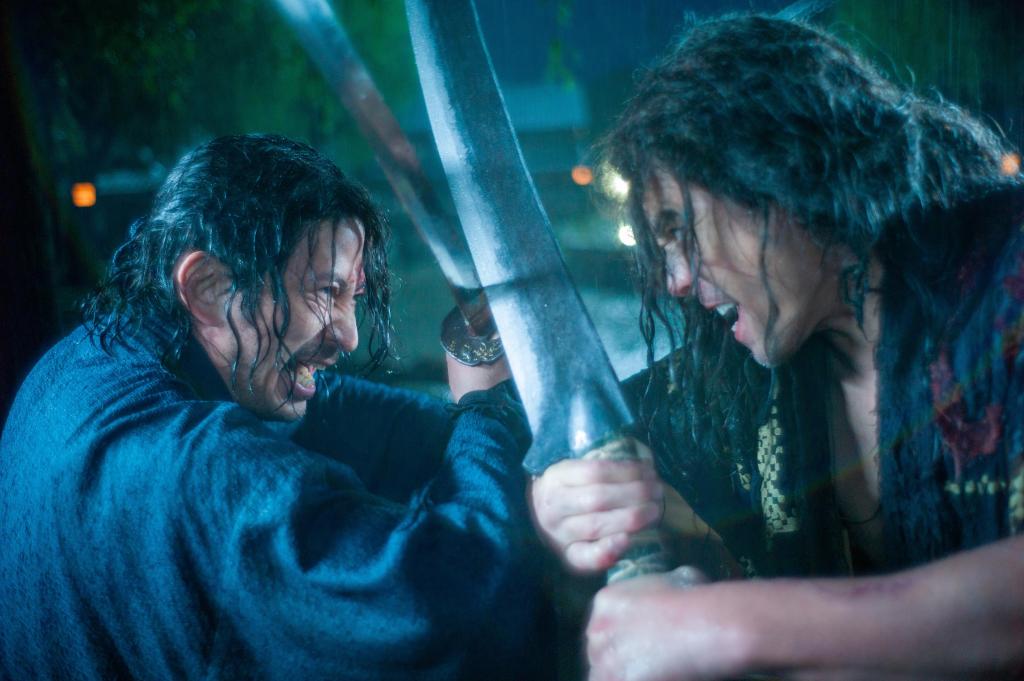
- The action sequences (if you’re not squeamish): The fight scenes are well choreographed and shot, not relying on shaky camera work and frenetic action. Even in the most chaotic sequence (the initial bloodbath at the start of the tournament), it is easy for the viewer to keep track of what’s unfolding on screen rather than the numerous parallel battles blending into one another. A warning though – the fights are pretty violent, as expected given the subject matter. So if you are squeamish, this may not be the right show for you.
What doesn’t work:
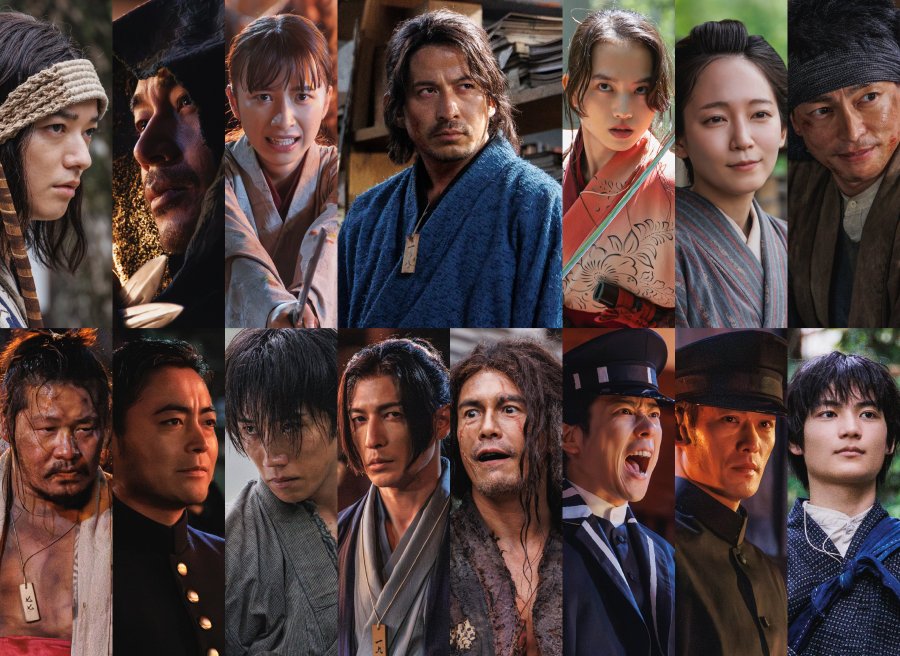
- Overabundance of characters: This is the counterpoint to what worked with the main characters. Perhaps in an attempt to get viewers more invested in the fights, the show introduces a lot of side characters who appear on screen for varying periods of time before being killed off. A few work, such as the disenchanted ex-samurai who reacts to the upending of the world order he’s known by completely eschewing all sense of honour and simply glorying in the fight and the deaths it brings. He serves as a counterpoint to Shujiro’s unbending sense of honour, and when the two face off, there is a sense of meaning to the fight. But with others it’s difficult to see how they contribute to the story. Like the aide who breaks the code to the mastermind’s plans, only to be summarily killed off before telling anyone. Or the hapless young lad our main heroes take on. They already have one effectively helpless member in their group, so I don’t see what this additional character contributes. Or the point of Gentosai, who’s in the contest to hunt down Shujiro and his adopted siblings.
- The pacing: After a strong beginning, the show drags in the middle, a side effect of the above point and the resultant sub-plots. They try to cram way too much into six episodes and it affects the story flow. Given this is not a limited episode series, I feel some of these plots could have been either eliminated or moved to the next season rather than throwing in everything here in the hopes that something will strike gold with viewers.
Overall: A good watch with some room for improvement. It’s not yet renewed for season 2 though despite its success, and Netflix has a history of axing shows, so we’ll have to cross our fingers and hope it gets a chance to continue and finish the story.
 Reel Tastes & Travels - a light dose of entertainment to wake you up
Leave a Reply