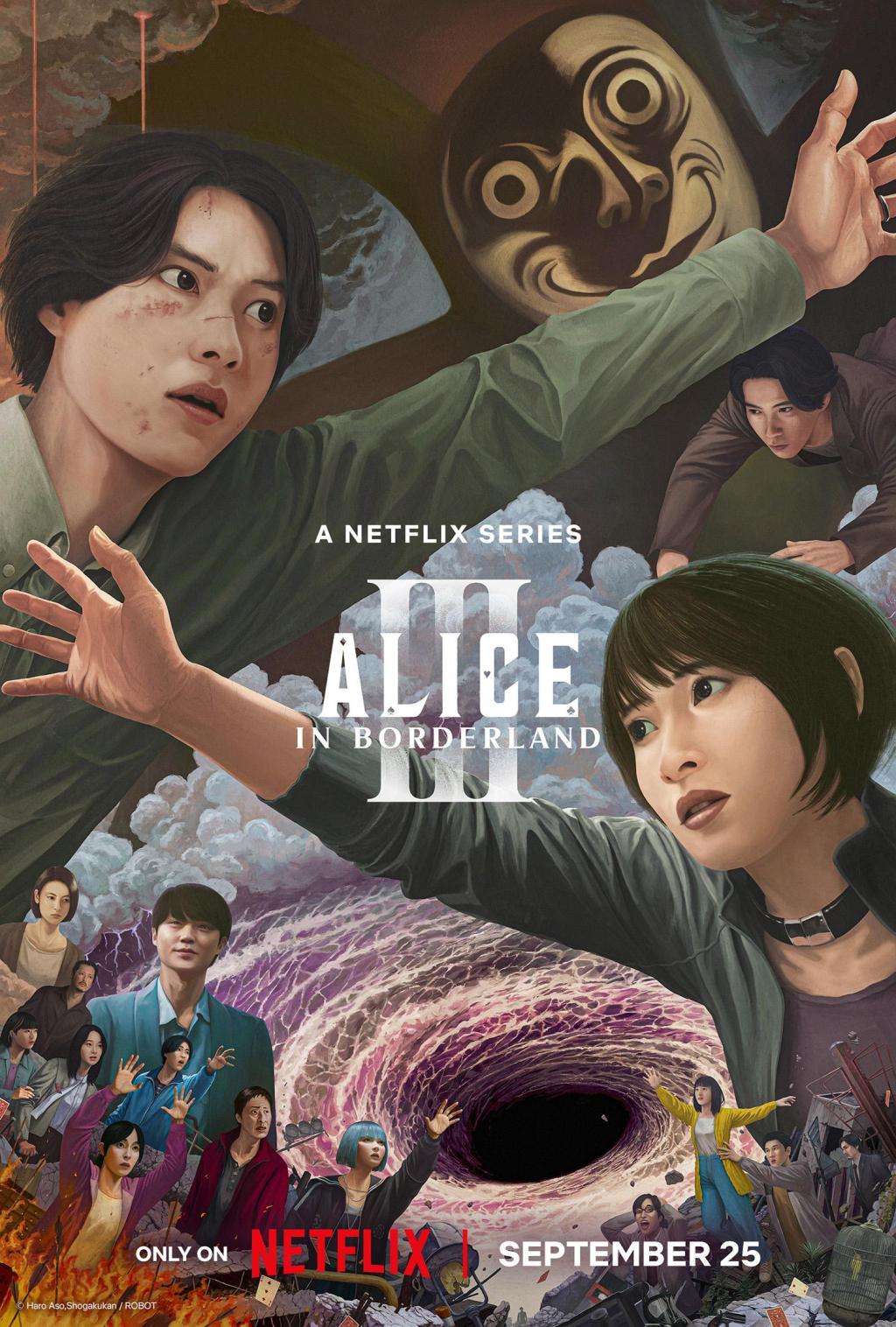
I have to admit I went into this review with a bit of a negative bias. I loved the source manga and thoroughly enjoyed the first two seasons of the show. But I have a pet peeve about adaptations that try to leverage their popularity and stretch out their stories beyond the natural ending points in the source material. In my experience it very rarely ends well – inevitably it fails to capture the heart of the original material and comes across as contrived. It can work in some instances such as where they use a beloved character as a starting point to tell a completely new story (think Queen Charlotte’s season of Bridgerton or Maleficent vs. Sleeping Beauty). But all too often, they take a story that has reached a reasonably satisfactory ending and then backtrack or create new problems just to be able to stretch it out for an extra season (think of the second seasons of Big Little Lies or 13 Reasons Why). The same issue plagues season 3 of Alice in Borderland.
For those unfamiliar with the story, Alice in Borderland follows Arisu, an aimless gamer, and Usagi, an amateur mountain climber tortured by her father’s mysterious death/possible suicide in a climbing accident, who, along with a host of other characters, suddenly find themselves in the mysterious Borderland (a deserted version of Tokyo). To survive, they have to clear a series of deadly games tagged to the various suits in a deck of cards. At the end of the second season, they clear the deck and wake up back in the real world. It turns out they were victims of a meteor strike, and the Borderland represented a sort of purgatory between life and death. While they were fighting for their lives in the games, they were literally fighting for their lives in the real world after the meteor strike. A fairly satisfying ending, with the individual character arcs neatly wrapped up.
This is where the manga ends as well and so far so good. But given the popularity of the series, the powers that be decided a third season was in order. So, through a contrived set of circumstances, new character Ryuji (a death-obsessed professor) lures Usagi back to the Borderland. Arisu soon follows to save her and the games start anew.
It’s actually not too bad if you consider it on a standalone basis isolated from the previous two seasons. The initial build-up is a bit slow but once they get to the Borderland, the action moves quite quickly. The games are reasonably interesting, and the three main characters (Arisu, Usagi and Ryuji) are compelling. However, while it seeks to leverage the popularity of the original series, those very ties end up making the season fall flat.
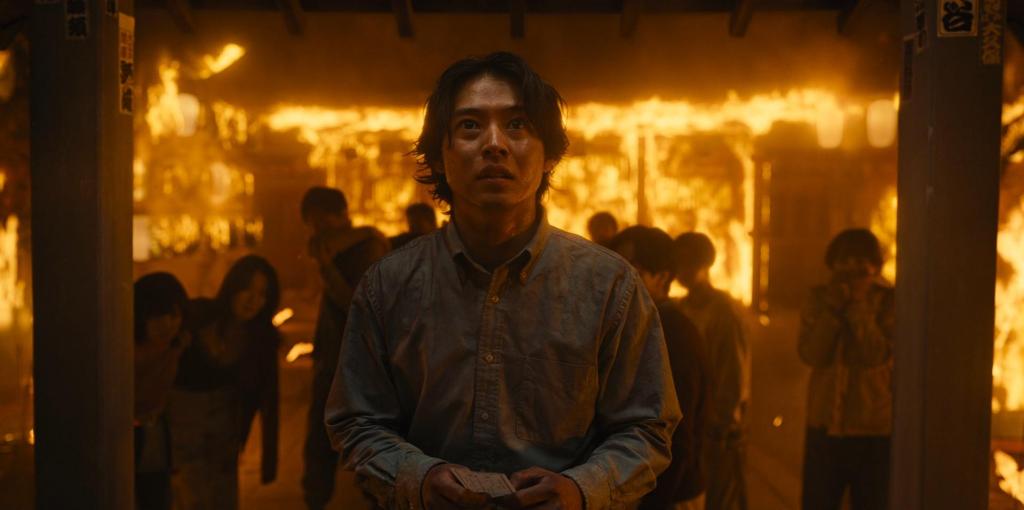
- Rolling back character development: This was probably unavoidable given that the original show wrapped things up fairly well. but it was still galling to see Usagi (who, as I recall, had a whole arc about coming to terms with her father’s death and moving forward) apparently haunted once more by her father’s passing. To the extent that she is ready to throw away her life with Arisu to chase some chimera of seeing her father again in her dreams. It’s so clearly a ploy to be able to center the season around Usagi and Arisu again. And then having achieved its purpose, it is barely touched upon again till a last-minute vision literally helps her suddenly reconcile all her inner conflict.
- Weak supporting characters: Seeing Arisu and Usagi play the games without the other characters we’ve grown to know and love (like Chisiya, Ann, Kuina etc.) feels incomplete. I understand the decision from a narrative standpoint. However, unbelievable it is that Usagi would return to the Borderland, it’s even more improbable that all of them would find themselves back there. But the season fails to fill that gap with other meaningful characters, in part due to the relatively shortened season. We get the barest hints of some of their back stories and why we should care about them, but it’s really only in the final task that we get to know them a bit more. It’s way too late by then and therefore, beyond Arisu/Usagi’s reactions, it’s difficult to feel too invested in their fates.
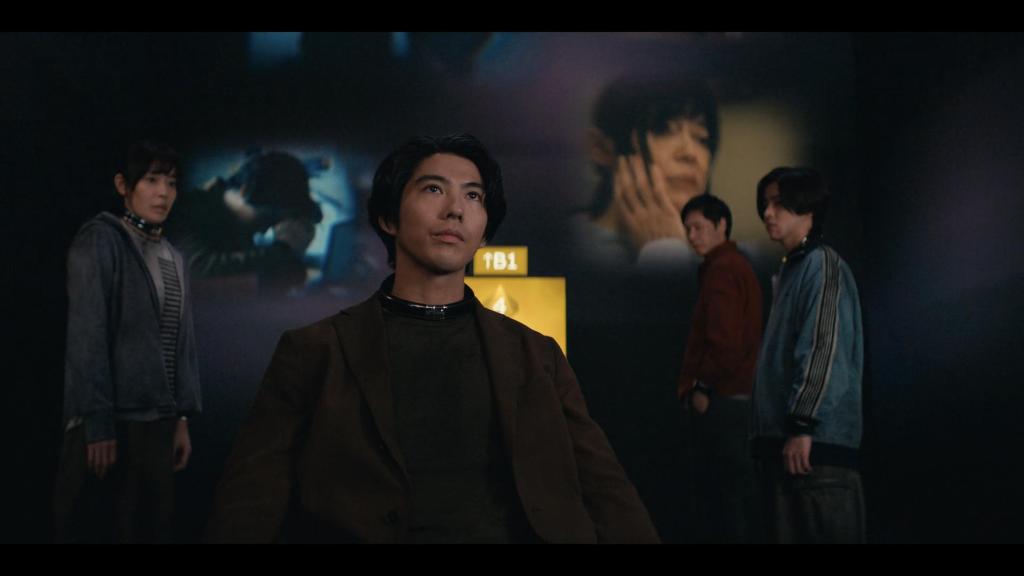
- Lackluster games: I know I said the games were reasonably interesting but there’s simply no comparison to the first two seasons. The innovativeness of the games was one of the biggest draws there. They were complex, but well thought-out and most featured some sort of hidden trick or twist. Players clever enough to figure it out could eliminate a lot of the seeming randomness of the games and increase their odds of survival. In contrast, the pacing of the games in season 3 is uneven with some games getting disproportionate screen time while others are almost skipped over. But more importantly, they are just not as clever, leaning into overly complicated rules to mask this fact.
<<Spoilers ahead>>
The zombies vs. humans game is a great example of this. A majority of the rules about the number of cards and how players can win cards from each other is just window dressing to distract from the fact that survival comes down to whether you are in the bigger group (humans or zombies) at the end of the game. It’s not a zero-sum game – there is no penalty for zombies at the end, nor is there a limit on the number of people who can clear the game. Therefore, it’s unclear what keeps everyone from cooperating to either cure the zombies or convert everyone to zombies in the first few rounds itself. And the train car game teases a logic to figuring out which cars have poison gas vs. oxygen in them, only to roll it back in the service of setting up another big action scene (implying that the success of their strategy was all a fluke and ignoring the fact that Arisu’s team also seemingly clear this game with no alternate explanation). It’s perhaps no surprise that the game most reminiscent of the earlier seasons is the one that is pretty much lifted from the manga. - No substance to the Joker: Unlike the face cards in Season 2, who were extremely tough opponents with direct skin in the game, the Joker is a very nebulous presence through the season. It does not exist as a real character, nor is there any connection with the games. On the contrary, the whole thing seems to be orchestrated by one of the Borderland citizens simply for his amusement. They try to explain this away at the end with some abstract philosophy around the Joker filling gaps in time. But it is a patchy attempt compared to the more concrete analogy of the Borderland and purgatory.
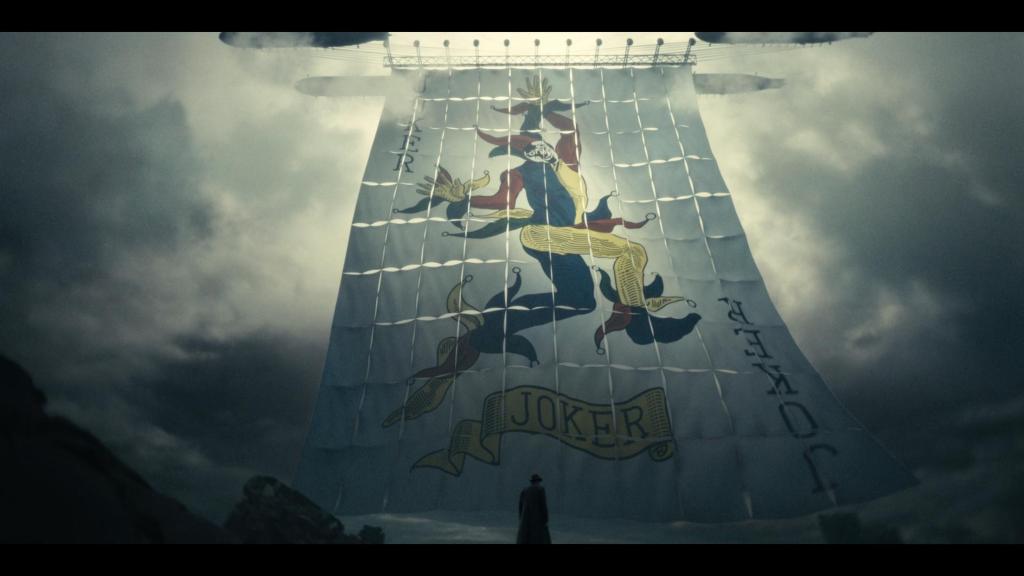
At the end of the season, they hint at a cataclysmic event and a possible shift to the US, in an attempt to drag the franchise on even longer. However, given mixed reactions to the show I’d be surprised if another season or spin-off is greenlit, so this may be our last trip to the Borderlands.
Final Thoughts: Casual viewers may enjoy revisiting Arisu’s and Usagi’s story, as well as cameos from fan favorites. But for die-hard fans, I’d recommend sticking with seasons 1-2 and skipping this.
 Reel Tastes & Travels - a light dose of entertainment to wake you up
Leave a Reply