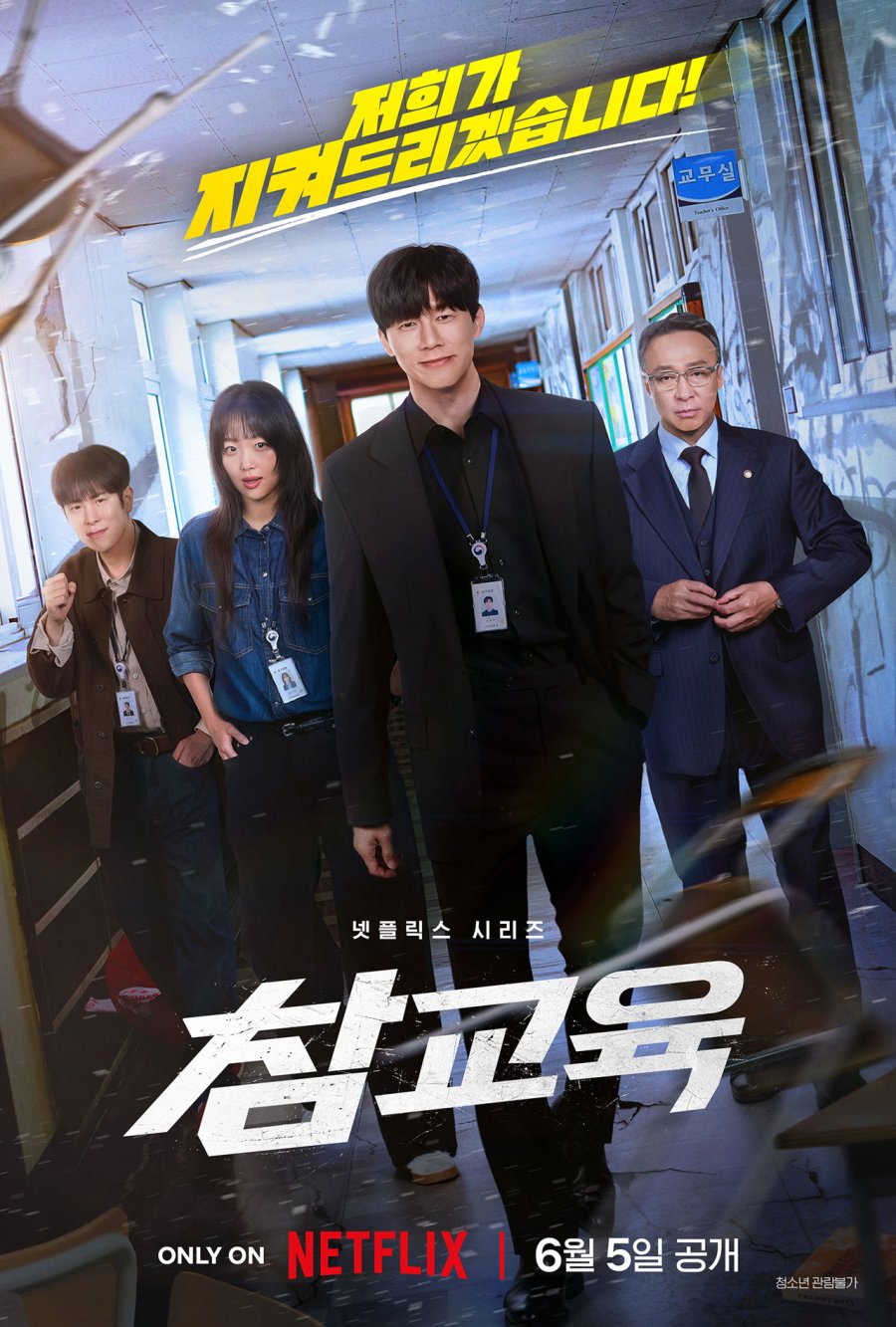
‘The Well-Connected Bully‘
Often when watching American high school dramas (especially the more edgy ones) I’ve questioned the extent to which the shows reflect what’s happening in real life and the extent to which it is sensationalised. When I heard the premise of ‘Teach You a Lesson’, about a government sanctioned vigilante group tackling problem scenarios in school that can’t be addressed through normal means, I had a similar question.
The premier however laid some of my doubts to rest by focusing on a universal problem – bullying in schools. It focuses on one school where the bullying has reached such an extreme level that it drives one of the victims to suicide. However, rather than exposing the bullies and driving change, it is covered up, in no small part due to the fact that the head of the gang is the son of a powerful politician (and hence considered near untouchable). Now are all schools that bad? Probably not…but there have been numerous enough serious incidents of bullying across the world that I imagine the theme would resonate with a diverse audience.
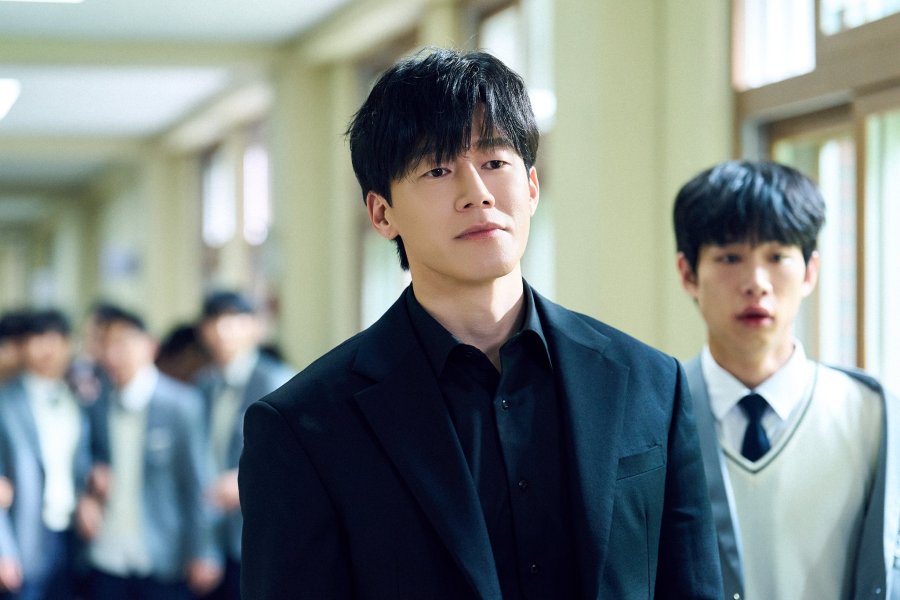
This is the state of affairs when Na Hwa-Jin from the ERPB (Educational Rights Protection Bureau) comes in. Formed after the murder of a teacher by a student two years prior, the ERPB operates with impunity under the aegis of the Minister of Education. Unlike the regular staff who have to tread a careful line between internal and external politics, Hwa-jin has nothing restraining him from meting out justice as he sees fit. Insolent student shirking school duties? No problem. Powerful parent shielding his son? Child’s play. He cuts a swathe of destruction through the gang of bullies, particularly their leader Jun-hyeong. And the bullies are shown with such an absence of redeeming qualities that it is so so satisfying seeing them receive their comeuppance. Adding to the satisfaction, when Jun-hyeong’s father, Ryu Gwang-pil, tries to pressure the Minister of Education into backing down, the tables are turned on him instead and all his corruption is exposed thus leaving his vagabond son with no safety net. Not to mention making a definitive statement right up front that no one is safe from the reach of the ERPB.
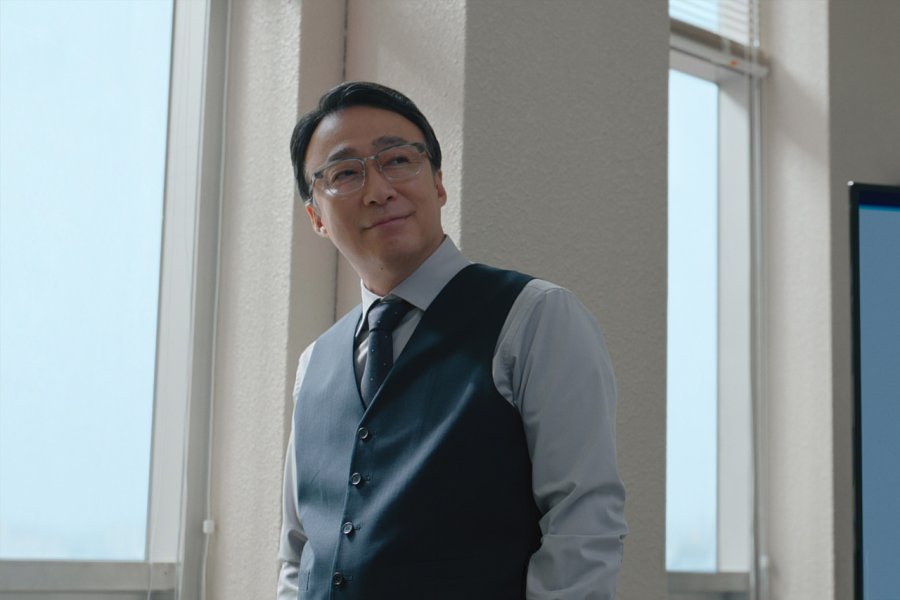
Leaving aside the satisfaction of seeing bad guys get their just desserts, Hwa-jin’s actions do raise an interesting moral question of whether the ends justify the means? With such unfettered power, was brute force the only way to deal with it? You can make an argument that when the behaviour and entitlement is so entrenched, the time for subtlety has passed. But what if the situation was not so black and white? Or what if the ERPB had misunderstood the situation? Who or what holds the ERPB accountable? Some intriguing questions that I would love to see addressed in the future episodes.
Stray musings
- What has inspired such a passion project for the Minister? It feels deeply personal, but I wonder how long he can shield it from any consequences or political maneuvering
- I liked the softer touch of Hwa-jin teaching bullying victim Gyeong-min how to outrun his attackers. It helped humanize him and make me root for him despite the discomfort engendered by his rough treatment of what are essentially teenagers (given it’s only at the end of the episode that we get to know the full extent of their destructive actions).


Leave a Reply